Categoria: Blog

  • Presentation of experimental results from TROVA at ORC 2017

    Presentation of experimental results from TROVA at ORC 2017

    221 – Experimental observation of non-ideal expanding flows of Siloxane MDM vapor for ORC applications 
    by Andrea Spinelli, Giorgia Cammi, Marta Zocca, Simone Gallarini, Fabio Cozzi, Paolo Gaetani, Vincenzo Dossena, Alberto Guardone
    Session 4C, Thursday at 14.20


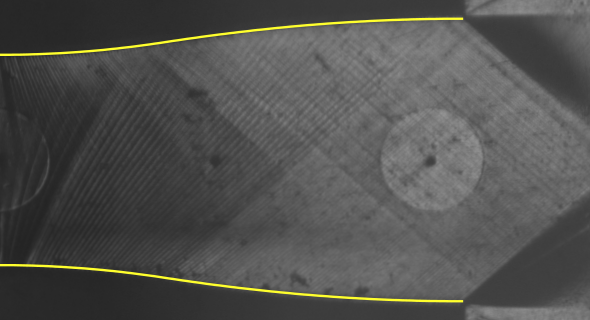
    Abstract: Extensive experimental results characterizing the supersonic expansion of an organic vapor in non-ideal conditions are reported in this paper for the first time. The collected data also allowed the assessment of the accuracy of Computational Fluid Dynamic (CFD) tools employed to predict the non-ideal behavior of such flows, including the consistency of thermodynamic models adopted. The investigation has been carried out on the converging-diverging nozzle test section of the Test Rig for Organic VApors (TROVA), at the Laboratory of Compressible fluid-dynamics for Renewable Energy Application (CREA) of Politecnico di Milano. Supersonic nozzle flow has been chosen as the simplest one of significance for organic Rankine cycle (ORC) turbine channels. The working fluid under scrutiny is Siloxane MDM, a widely employed compound for high temperature ORCs. MDM vapor expands through the TROVA nozzle at moderate non-ideal conditions in the close proximity of the vapor saturation curve. This is the region where ORC expanders typically operate, thus proving the relevance of the investigation for the ORC community. Indeed, detailed experimental data representative of typical ORC expansions were lacking in the open literature up to date. Two different nozzle geometries, featuring exit Mach number of 2.0 and 1.5 respectively, have been tested, exploring a wide range of thermodynamic inlet conditions and diverse levels of non-ideality; from moderate non-ideal state, indicated by a compressibility factor Z = Pv/RT ≅ 0.80, to dilute gas conditions, Z ≥ 0.97. Maximum operating total pressure and temperature are PT ≅ 5 bar and TT ≅ 250 °C. The nozzle flow has been characterized in terms of total pressure, total temperature, static pressure at discrete locations along the nozzle axis, and schlieren imaging. In contrast to the well known case of polytropic ideal gas, the vapor expansion through the nozzle is found to be dependent on the inlet conditions, thus proving the non-ideal character of the flow. This influence is found to be consistent with the one predicted by the quasi-1D theory coupled with simple non-ideal gas models. Experimental data at the nozzle centerline have also been compared with those resulting from a two-dimensional viscous CFD calculation carried out using the SU2 software suite and the improved Peng Robinson Stryjek Vera (iPRSV) thermodynamic model. A very good accordance is found, demonstrating the high accuracy of the applied tools.
  • The first ever assessment of CFD for ORC flows!

    The first ever assessment of CFD for ORC flows!

    Experimental assessment of the open-source SU2 CFD suite for ORC applications 
    by Giulio Gori, Marta Zocca, Giorgia Cammi, Andrea Spinelli, Alberto Guardone
    Session 3B, Wednesday, at 16.30


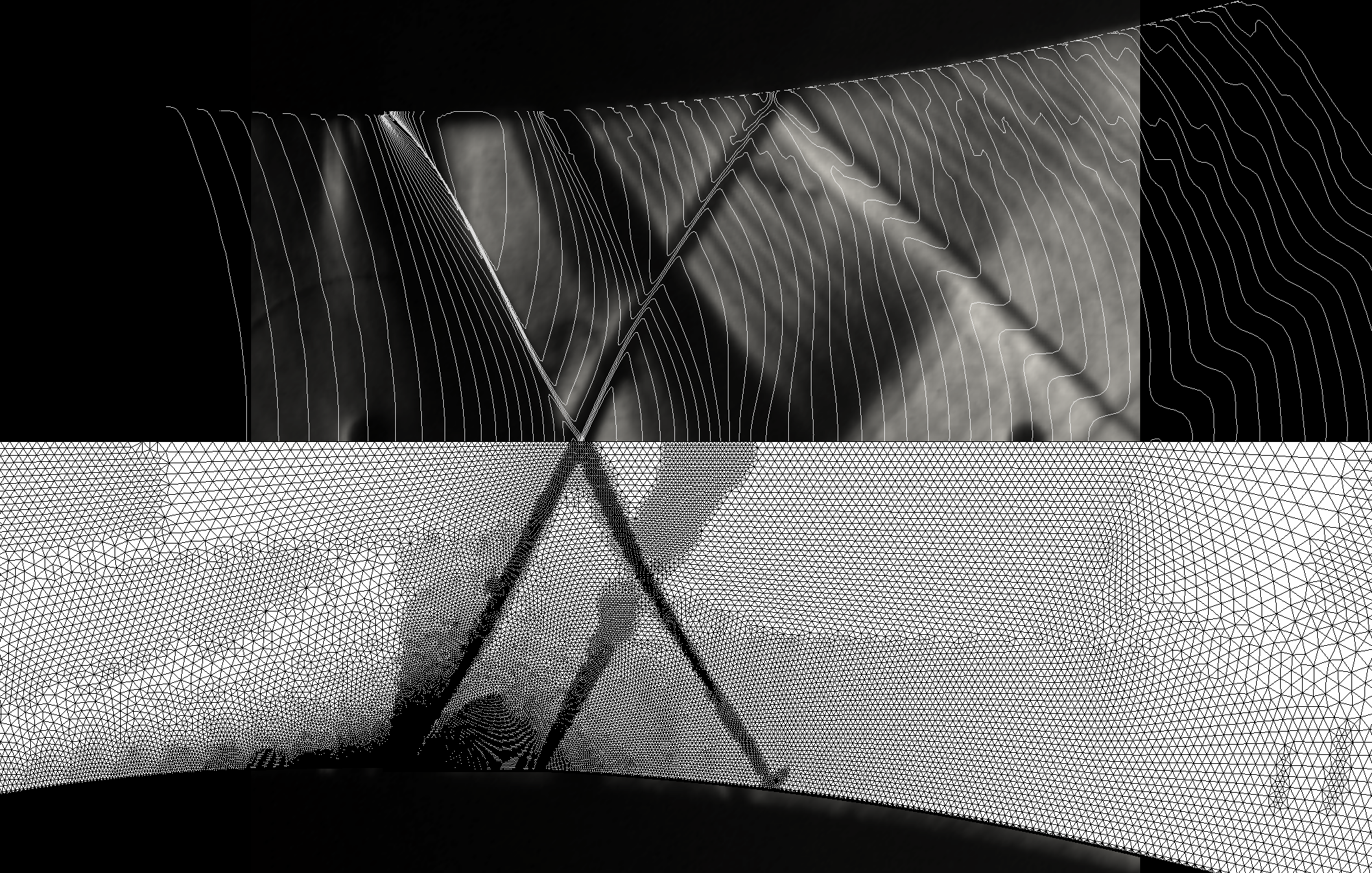
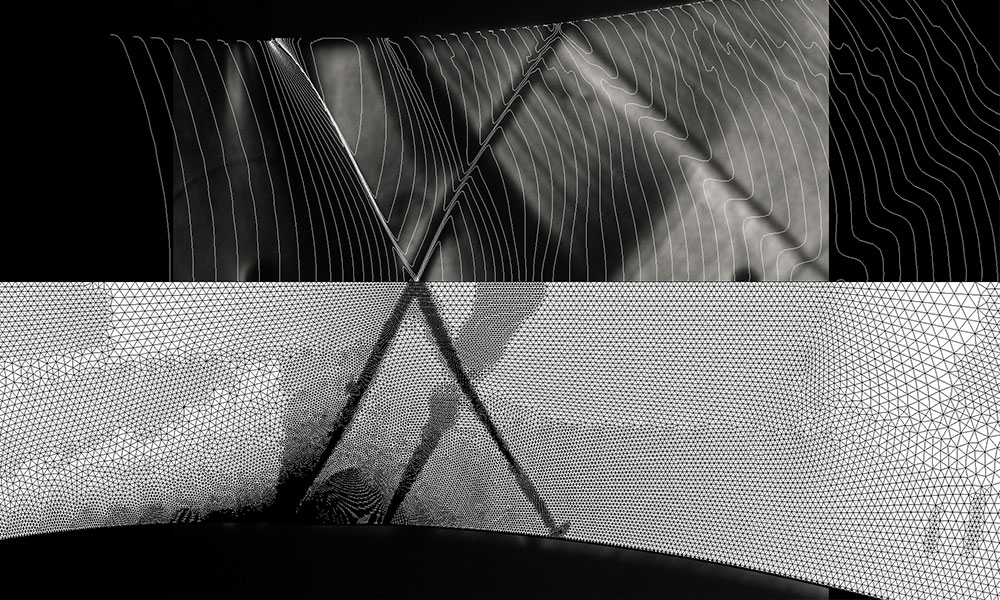
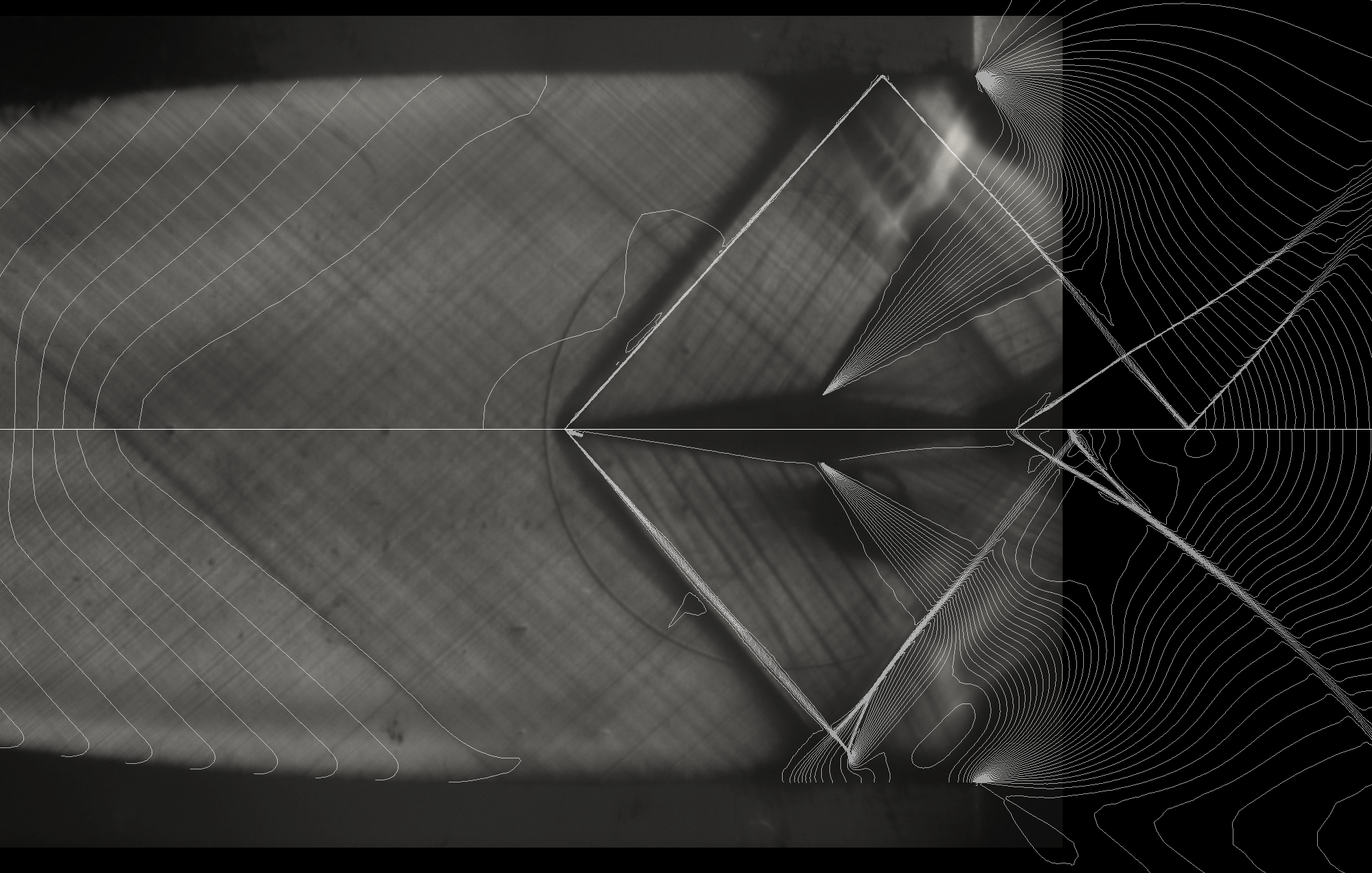
    Abstract: The first-ever experimental assessment of a Computational Fluid Dynamics (CFD) software for Non-Ideal Compressible-Fluid Dynamics (NICFD) flows of interest for ORC applications is presented here. Numerical results using the SU2 open-source suite for multi-physics simulation and design-recently extended to deal with complex thermodynamic models of organic fluids-are compared here to experimental results from the Test-Rig for Organic VApours (TROVA) of the Laboratory of Compressible-fluid dynamics for Renewable Energy Applications (CREA), Politecnico di Milano. Experimental results regard supersonic expanding flows of siloxane fluid MDM (Octamethyltrisiloxane, C8H24O2Si3) in non-ideal conditions representative of ORC applications. Three different geometries are considered for the assessment of the CFD solver. The first is a converging-diverging nozzle, representative of ORC supersonic stators, in which the fluid is accelerated to supersonic speed from highly non-ideal conditions, with inlet compressibility factor Z=Pv/(RT), computed using reference Equations Of State (EOS) for MDM fluid, as low as Z=0.81. The second geometry is a diamond-shaped airfoil at zero incidence in a supersonic flow at Mach 1.5 and Z=0.88, in mildly non-ideal conditions. Oblique shock waves are observed at the airfoil leading edge and interact with the wind-tunnel walls and the rarefaction fan from the airfoil. This test case is useful to understand the physics of oblique shock-wall and shock-shock interactions in turbine cascades operating in off-design conditions. The third geometry is a supersonic backward facing step, in which the formation of an oblique shock is observed experimentally at the reattachment point past the step. The Mach number is around 1.1 and the compressibility factor Z ~ 0.89. This geometry is representative of the trailing edge of turbine blades and it is useful to study the formation of fish-tail shock waves. These NICFD flows are fairly well captured by the CFD solver, thus confirming the validity of both the thermodynamic models and of the CFD implementation, using both the Euler equations for inviscid flows with negligible thermal conductivity and the full Reynolds-averaged compressible Navier-Stokes equations for non-ideal compressible turbulent flows. In the considered shocked flows, grid adaptation is found to be key to capture the relevant flow features using a reasonable amount of grid points.

  • Presentation of oblique non-ideal shocks at ORC 2017

    Presentation of oblique non-ideal shocks at ORC 2017

    222 – Non-ideal fish-tail shocks in ORC turbine cascades
    by Davide Vimercati, Giulio Gori, Andrea Spinelli, Alberto Guardone
    Session 6C, Friday, at 10.30


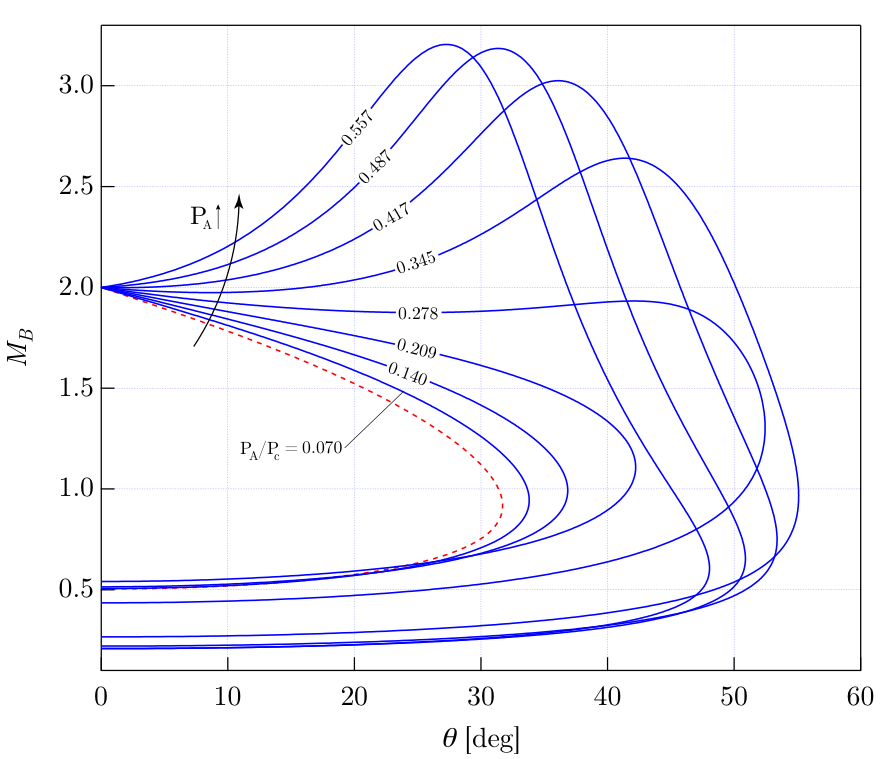
    Abstract: Non-ideal shock waves at the trailing edge of supersonic high-pressure turbine vanes for ORC applications are studied numerically using the open-source SU2 solver coupled with mesh adaptation. Flow separation at the trailing edge of ORC turbine, where a supersonic Prandtl-Meyer expansion occurs, generates a limited region of separation between the supersonic flows on the pressure and suction sides of the blades. The merging of these two supersonic regions results in the formation of compression waves that eventually form a characteristic shock pattern comprising two oblique shock waves, called fish-tail shocks. The present investigation follow the study of Andrew Wheeler et al.~(NID 2016), where the authors focused on non-ideal compressible-fluid effects on the flow turning angle resulting from the Prandtl-Meyer expansion, which influences the shape and size of the downstream recirculating region. Here, the downstream process of coalescence into oblique shock waves is studied numerically to determine whether non-ideal shock waves can be observed in typical ORC operation. Non-ideal shock waves are possible only if the fundamental derivative of gasdynamics is less than unity and are characterised by the increase of the flow Mach number across the shock wave. The accuracy of the numerical tool is first assessed against a experimental results over a simplified backward-facing step geometry. Then, numerical simulations are carried out to determine the occurrence of non-ideal oblique shocks in conditions typical to ORC applications. Experimental results regard supersonic expanding flows of siloxane fluid MDM (Octamethyltrisiloxane, C8H24O2Si3) around a 90° corner. The Mach number is around 1.1 and the compressibility factor Z ~ 0.75.

  • Papers at ORC 2017

    The CREA team will present five papers at ORC 2017, www.orc2017.com
    • 221 – Experimental observation of non-ideal expanding flows of Siloxane MDM vapor for ORC applications, Session 4C, Thursday at 14.20
    • 222 – Non-ideal fish-tail shocks in ORC turbine cascades, Session 6C, Friday, at 10.30
    • 223 – Experimental assessment of the open-source SU2 CFD suite for ORC applications, Session 3B, Wednesday at 16.30
    • 224 – Design and commissioning of a thermal stability test-rig for mixtures as working fluids for ORC applications, Poster session, Wednesday at 17.30
    • 225 – An analysis of fast-response pressure probes dynamics for ORC power systems, Poster session, Wednesday at 17.30
  • Master Thesis Work on Thermal Stability

    Master Thesis Work on Thermal Stability

    Experimental Characterization of the thermal stability of mixtures of linear siloxanes

    [vc_separator type=’transparent’ position=’left’ color=” thickness=” up=’15’ down=”]

    Advisor: Spinelli Andrea
    Co-Advisor: Simone Gallarini, Alberto Guardone

    [vc_separator type=’transparent’ position=’left’ color=” thickness=” up=’15’ down=”]

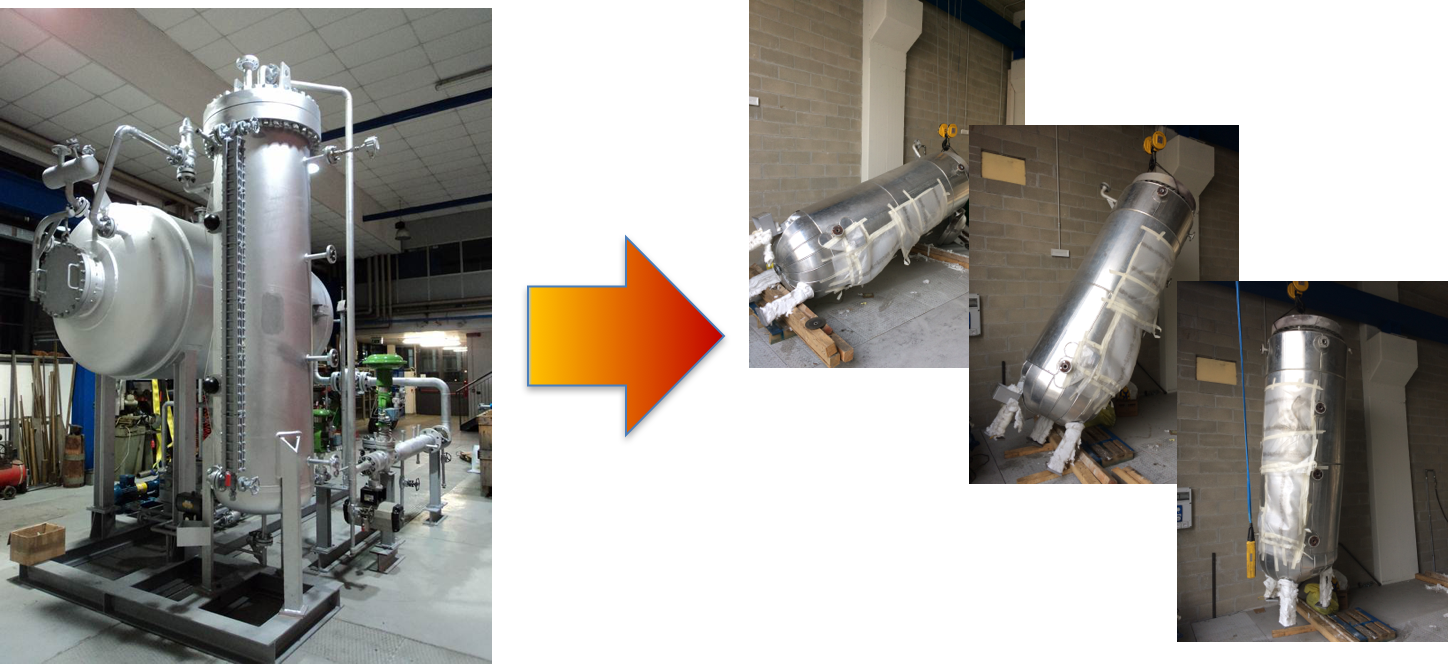
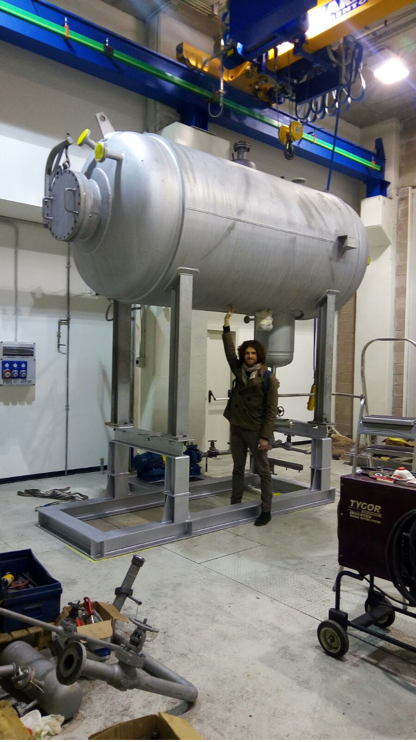
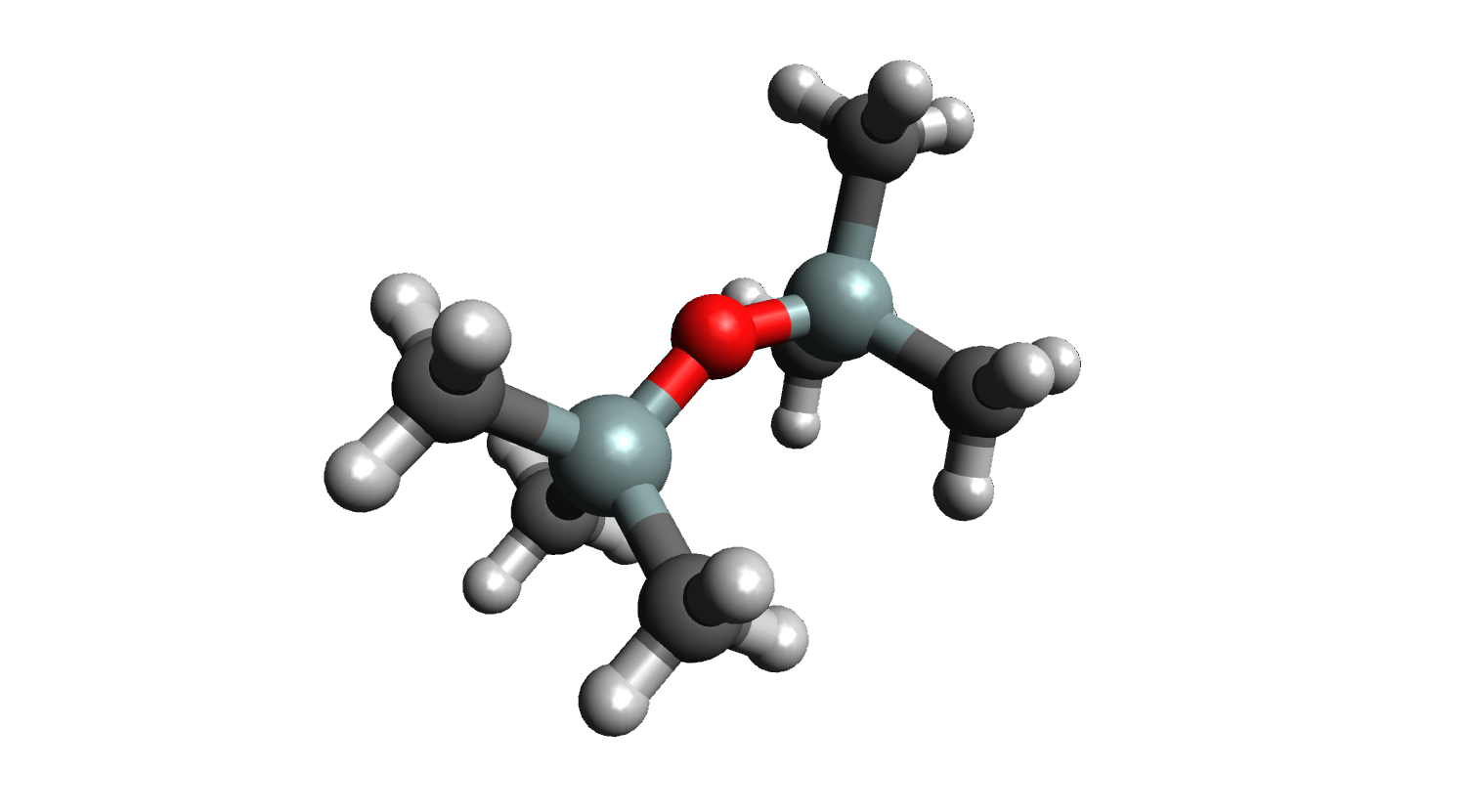
    The work aims at evaluating the thermal stability limit (decomposition temperature) of organic fluids (siloxanes) for ORC applications, the fluids are pure and/or in binary mixtures. These fluids are largely employed in energy applications, since they can be favorably exploited in ORCs; indeed, their use leads to high efficiency cycles, they are non-toxic, environmentally friendly (zero ODP, almost zero GWP), relatively low-cost. Their use is limited at high temperature by the molecule cracking and the consequent formation of decomposition products featuring thermodynamic properties different from the original ones. Each fluid exhibits a thermal stability limit whose evaluation is crucial to realize cycles with the highest possible maximum temperature (thus with high efficiency) with no significant decomposition.

    In this perspective the use of mixtures can possibly increase the thermal stability limit with respect to the pure counterparts (this aspect has to be investigated). Different fluids are characterized from the thermal stability perspective; on the contrary, a systematic investigation of pure/binary mixtures of linear siloxanes (MM, MDM, MD2M, MD3M) is still missing in open literature. The work will be carried out at the CREA Laboratory (crealab.polimi.it) and in collaboration with the Laboratory of Catalysis and Catalytic Processesof the Energy Department and with the University of Brescia.

    [vc_separator type=’transparent’ position=’left’ color=” thickness=” up=’15’ down=”]

    The work consists in the completion of a test section of an existing experimental facility and in its use to perform thermal stability tests. Each test include thermal stress of the fluid at increasing temperatures and in the evaluation of the rate of decomposition by means of pressure and temperature measurements (in stress and in saturation conditions) and in the chemical analysis of the fluid samples (on both the liquid and vapor fraction) before and after the thermal stress, aiming at identifying the type and the amount of decomposition products.

    More info: andrea.spinelli@polimi.it


    [vc_separator type=’transparent’ position=’left’ color=” thickness=” up=’15’ down=”]

    [button size=’medium’ style=” text=’APPLY’ icon=” icon_color=” link=’mailto:andrea.spinelli@polimi.it’ target=’_blank’ color=’#ffffff’ hover_color=’#ffffff’ border_color=” hover_border_color=” background_color=’#dd6719′ hover_background_color=’#f28033′ font_style=’italic’ font_weight=’600′ text_align=’center’ margin=’15’]

  • We are moving!!!

    We are moving!!!

    Take note: new address is Building B16A, Campus La Masa, Politecnico di Milano, Italy!!!

  • Numerical simulations of NICFD flows with SU2 vs experiments!

    Numerical simulations of NICFD flows with SU2 vs experiments!

    First-ever assessment of a CFD code against experimental data for non-ideal compressible-fluid flows of interests for ORC applications is ongoing. Grid adaptation helps capturing shock waves.
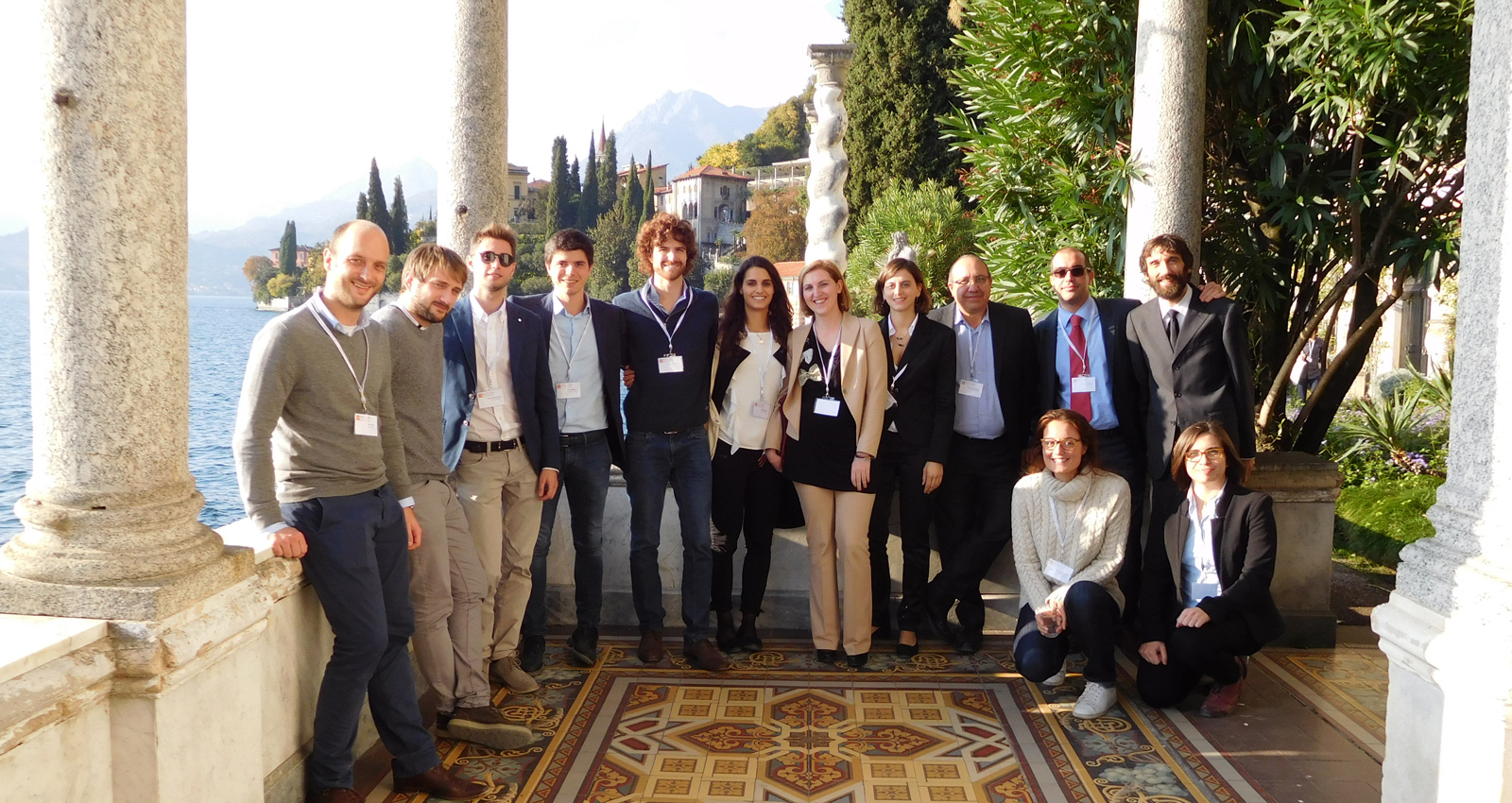
  • Wonderful time at NICFD in Varenna

    Wonderful time at NICFD in Varenna

    The 1st International Seminar on Non-Ideal Compressible-Fluid Dynamics was a great success!

    Thank you everyone for making this gathering so special.

  • Join us at NICFD 2016!

    Only two weeks to go before the 1st International Seminar on Non-Ideal Compressible-Fluid Dynamics for Propulsion & Power (NICFD 2016), the 20th and 21st of October, 2016, in Varenna, Como Lake, Italy

    Seminar website: nicfd2016.polimi.it                    Contact: nicfd2016@polimi.it
  • Presentation at the 1st SU2 Developers meeting in Delft

    Presentation at the 1st SU2 Developers meeting in Delft

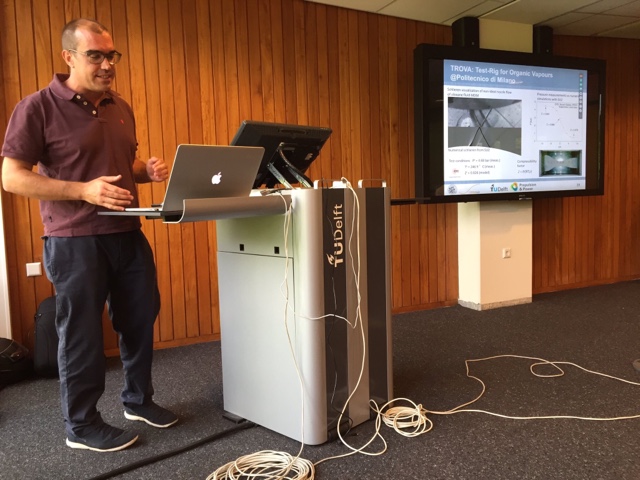
    Alberto Guardone gives an overview of NICFD capabilities of SU2 at the 1st SU2 Developers meeting in Delft, 5-6 of September 2016. In the slide, the latest TROVA results provide the first-ever validation of a CFD solver for non-ideal flows.

    All presentations can be downloaded following the embedded links in the agenda http://su2.stanford.edu/documents/SU2_Dev_Meeting_Agenda_20160905.pdf